Bosingak bell ceremony: ringing in 2027 with 33 strikes in downtown Seoul
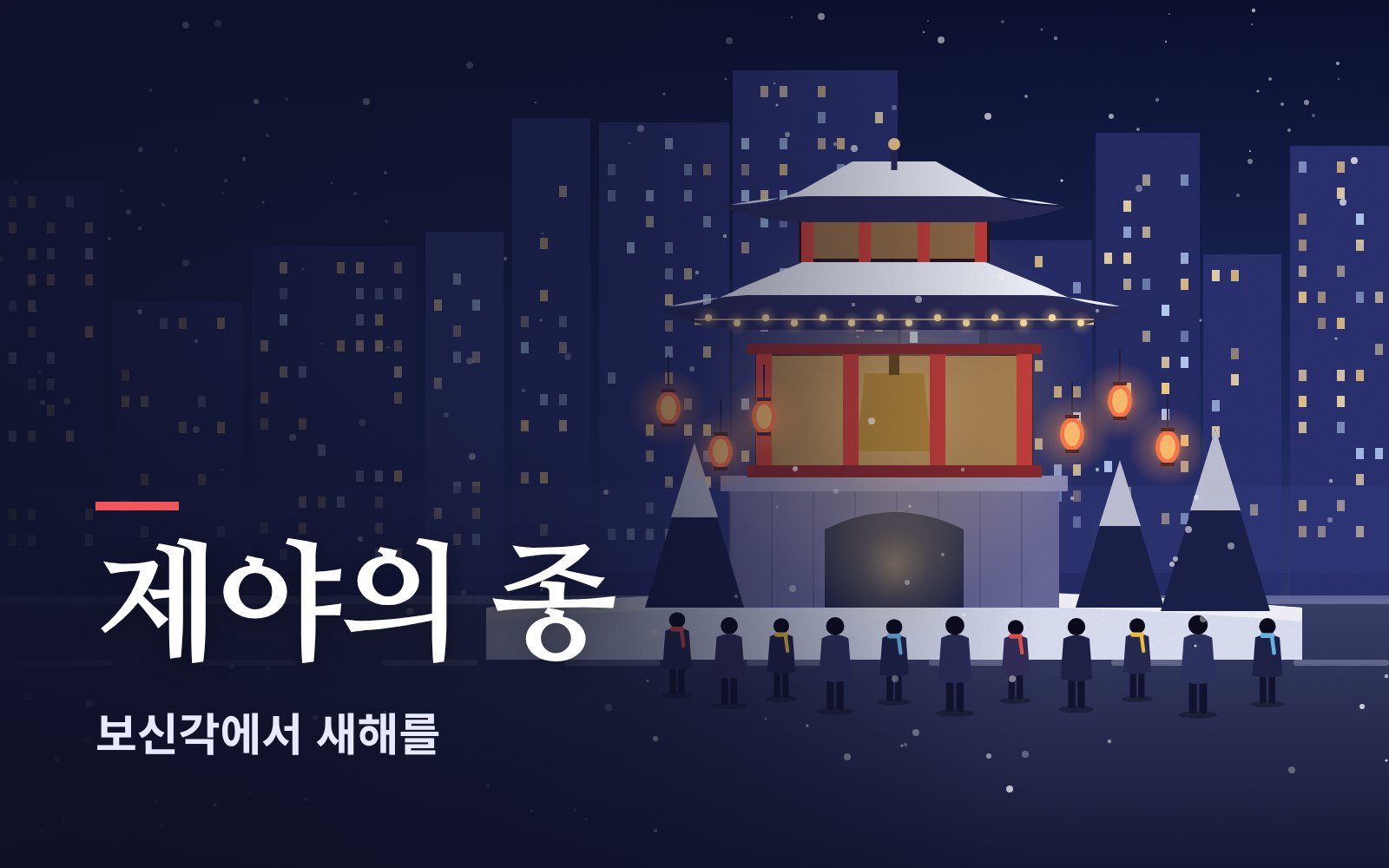
Every year Seoul welcomes the new year the same way: crowds gather in Jongno, a bell in a small wooden pavilion is struck 33 times, and the countdown ends in cheers. The ceremony is called 제야의 종 (jeya-ui jong), "the bell of New Year's Eve", and it takes place at 보신각 (Bosingak), the bell pavilion on the main street of Jongno. Seoul's festival site lists the 2026 edition for 31 December 2026 to 1 January 2027, around Bosingak, with a pre-show, the bell ringing and artwork. As of late November 2026 the city has not published the full programme, so this guide uses last year's ceremony to show how the night works.
How the night works
At the ceremony that welcomed 2026, the programme ran from 11:00 p.m. on 31 December until about 12:20 a.m. on 1 January, according to the Seoul city government. The bell was struck 33 times, and the strikes are known as 타종 (tajong), "bell ringing". Eleven people were invited to take part. They were not celebrities by default: the city picks citizens known for good deeds and representatives from different parts of society. Last year's group included a volunteer counsellor with 25 years of service, a baker who gave free bread to students and a volunteer who had delivered meals for 15 years.
Pre-show performances come first, then the ringers step up to the bell in turn, and the crowd counts down to midnight. Expect a very large crowd. Last year the city put about 820 city staff on duty, with around 1,700 police and other officials helping.
Getting there and getting home
The area around Bosingak was closed to traffic last year from 6:00 p.m. on 31 December to 7:00 a.m. on 1 January. Plan on walking the last stretch.
- Subway: Jongak Station, the nearest stop on Line 1, did not stop trains from 11:00 p.m. to 1:00 a.m. last year, so trains passed through without opening their doors. Get off at a neighbouring station such as Jongno 3-ga or City Hall and walk.
- Late service: Seoul extended subways and buses passing the area until 2:00 a.m., with 104 extra subway runs. The city usually announces the exact plan in the last days of December, so check the notice from Seoul's transport office before you go.
- Shared bikes and scooters: Ttareungi stations by Jongak closed overnight, and shared e-scooters could not be rented or returned in the area from 6:00 p.m. to 6:00 a.m.
- Cold: The wait is outdoors in midwinter. Wear layers, bring hand warmers and keep your phone charged.
If crowds are not for you, other ways to start the year are the Homigot sunrise festival on the east coast or the K-pop countdown at SEOULCon at DDP.
What to say at midnight
Koreans greet each other with 새해 복 많이 받으세요 (saehae bok mani badeuseyo [새해 복 마니 바드세요]), "Receive lots of New Year's luck." You can say it from midnight on 1 January and for the first weeks of the year. It is polite enough for coworkers, neighbours and shopkeepers.
Korean from this story
| Korean | Romanization | Meaning |
|---|---|---|
| 제야 | jeya | New Year's Eve (the night of the old year) |
| 제야의 종 | jeya-ui jong | the New Year's Eve bell |
| 타종 | tajong | bell ringing |
| 보신각 | bosingak | Bosingak, the bell pavilion in Jongno |
| 새해 | saehae | new year |
| 카운트다운 | kaunteudaun | countdown |
| 통제 | tongje | control, closure (of a road) |
| 막차 | makcha | last train or bus |
| 무정차 통과 | mujeongcha tonggwa | passing a station without stopping |
새해 복 많이 받으세요! (saehae bok mani badeuseyo [새해 복 마니 바드세요]) – Happy New Year! Add a name or title in front, for example 선생님, 새해 복 많이 받으세요, to greet your teacher.
Sources: Seoul festival site – 제야의 종 타종행사 2026-12-31 to 2027-01-01 (Korean), Seoul Media Hub – Bosingak ceremony for the 2026 new year: traffic control and late-night service (Korean)