Red sofas and snowflake bingsu: why young Koreans are seeking out places stuck in the 2000s
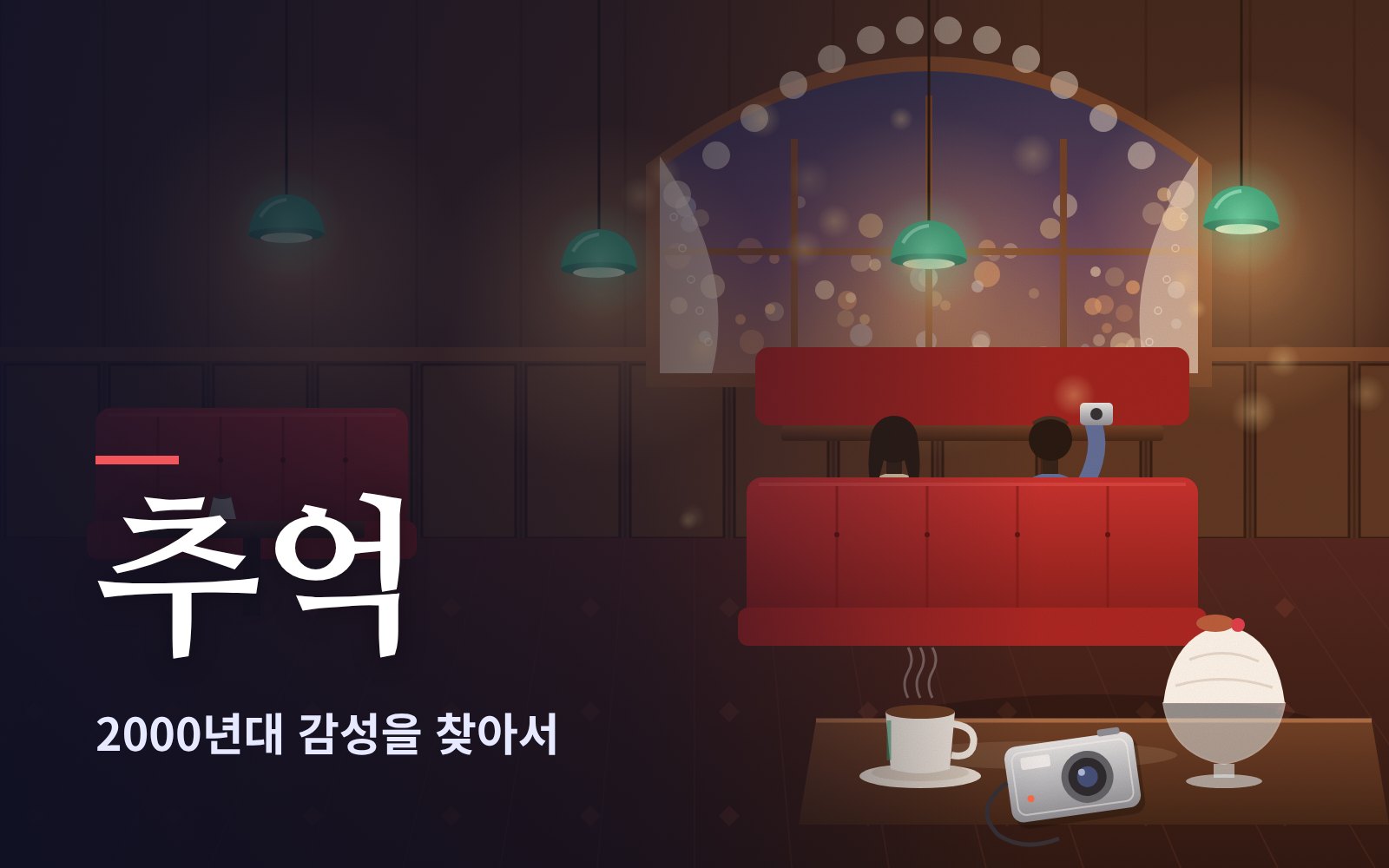
Most trend stories are about the newest thing. This one is about places that never changed. On Sunday, November 8, 2026, a café inside a hotel in Seodaemun-gu, Seoul, was packed with women in their 20s and 30s – even though a "CLOSED" sign hung at the door and the café had only one day left before shutting for good. Visitors took photos of its red sofas and jade-green lamps, many with 2000s-style compact digital cameras. The reason: the café was a filming location of the 2005 hit drama My Name Is Kim Sam-soon. The Kyunghyang Shinmun reported the scene on November 11 as part of a wider trend of young Koreans looking for 추억 (chueok), memories, in places from the 2000s.
A 1998 mall and a 2000s dessert
The same day, young visitors were also wandering through Gangbyeon Techno Mart in Gwangjin-gu, eastern Seoul. The mall opened in 1998 as an electronics shopping centre and has kept its colourful 2000s lighting and interiors. Two 26-year-old visitors told the paper they came for 눈꽃빙수 (nunkkotbingsu [눈꼳삥수]), snowflake bingsu, a shaved-ice dessert that was popular in the early 2000s. Staff said many women in their 20s and 30s had been coming since the summer.
The mall's comeback has been building for months. In June, the Korean lifestyle magazine The Edit described how many electronics shops there had closed as shopping moved online, leaving whole floors half empty – yet the frozen-in-time interior, the basement food court and the rooftop park with Han River views were drawing young visitors who like its retro feel.
Online, the same mood shows up in AI-made short videos that copy 2000s sitcoms, with odd plots, period fashion and old background music. Kyunghyang says some of them get hundreds of thousands to millions of views.
Tired of trends that change every week
Why the 2000s, and why now? A 30-year-old visitor told the paper that she did not come to be trendy: trends change every week, she said, while old places give a feeling of stability. Her 29-year-old friend described childhood memories as a kind of refuge, and said places where the 2000s remain untouched feel warm and human.
Analysts quoted by Kyunghyang link the trend to fatigue with fast content and fads. Sungkyunkwan University sociologist Koo Jung-woo told the paper that young people feel anxious about losing themselves amid rapid, AI-driven change, so they turn to the analog feel of the past to keep their own pace.
Why it matters for learners
You'll hear 추억 all the time in Korean. It is a warm word for memories you like to look back on, and it often appears in set phrases: 추억을 쌓다 (chueogeul ssata [추어글 싸타]), to make memories, and 추억이 떠오르다, for memories coming back. Another key trend word is 감성 (gamseong), literally sensibility but used like "vibe" or "aesthetic": 2000년대 감성 is "a 2000s vibe," and 아날로그 감성 an analog feel. A place that is closing has an 영업 종료 (yeong-eop jongnyo [영업 쫑뇨]), end of business, and a filming location is a 촬영지 (chwaryeongji).
Korean from this story
| Korean | Romanization | Meaning |
|---|---|---|
| 추억 | chueok | (fond) memory |
| 감성 | gamseong | vibe, aesthetic, feel |
| 2000년대 | icheon nyeondae [이천 년대] | the 2000s |
| 레트로 | reteuro | retro |
| 촬영지 | chwaryeongji | filming location |
| 영업 종료 | yeong-eop jongnyo [영업 쫑뇨] | closing, end of business |
| 눈꽃빙수 | nunkkotbingsu [눈꼳삥수] | snowflake shaved ice |
| 피난처 | pinancheo | refuge, shelter |
| 유행 | yuhaeng | trend, fashion |
| 피로감 | pirogam | sense of fatigue |
A pattern for places that bring back memories: ~에 오면 ~ 생각이 나요 – "whenever I come to ~, I think of ~." For example, 이 카페에 오면 옛날 생각이 나요 (i kapee omyeon yennal saenggagi nayo [옌날 생가기 나요]) – "Whenever I come to this café, I think of the old days."
Sources: Kyunghyang Shinmun – Young Seoulites revisit 2000s spaces, Nov. 11, The Edit – Gangbyeon Techno Mart's retro appeal, June 17 (Korean)