A hall that kept its paperwork: Yeongdeok's 17th-century temple hall is set to become a Treasure
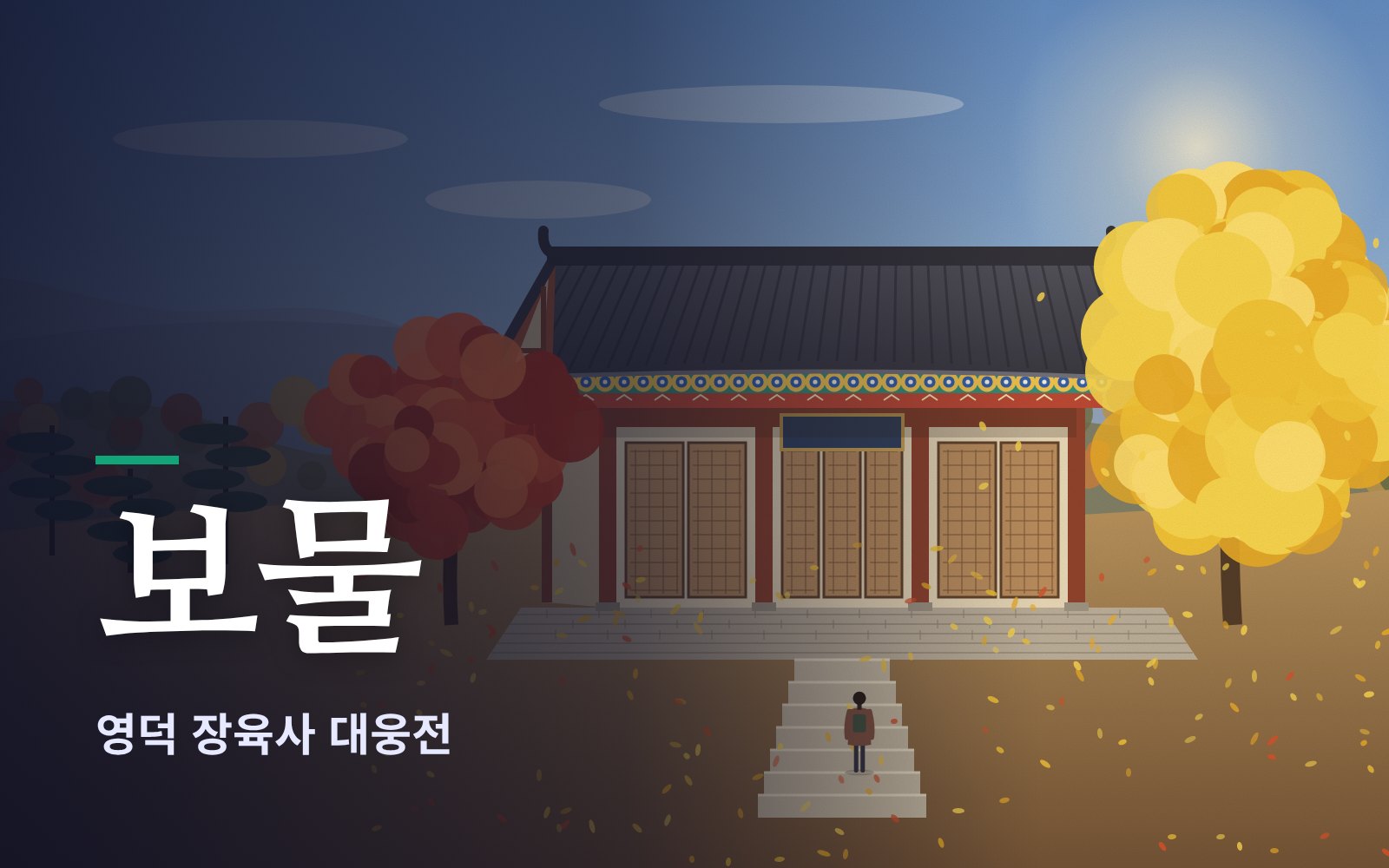
A small temple hall on Korea's east coast is about to join the country's official list of treasures. On Wednesday, November 11, 2026, the 국가유산청 (Gukga Yusancheong [국까유산청]), the Korea Heritage Service, announced that it plans to designate the 대웅전 (daeungjeon), the main Buddha hall, of Jangyuksa (장육사), a temple in Yeongdeok County, North Gyeongsang Province, as a 보물 (bomul), a Treasure. Korea JoongAng Daily and the regional paper Kyongbuk Maeil reported the plan.
What a "preliminary notice" means
The step announced this week is a 지정 예고 (jijeong yego), a notice of planned designation. The agency now collects public comments for 30 days, and then the National Heritage Committee decides whether to make it final. In Korea's system, Treasures are important tangible heritage that rank just below 국보 (gukbo [국뽀]), National Treasures.
Nearly 700 years, many rebuilds
According to tradition, Jangyuksa was founded in 1355 by the monk Naong Hyegeun (1320–1376), a royal teacher under King Gongmin of Goryeo. Kyongbuk Maeil notes that the temple burned down in the reign of King Sejong, was rebuilt, and was repaired again several times after wars, including the Imjin War. It reached its present form in the late Joseon period.
No document gives the exact year the hall was built. Experts date it to the late 17th century from a repair record of 1677 and a record of its name board being made in 1705, and a tree-ring study found that timber in some pillars was cut around 1638.
The hall is three bays wide and three bays deep, with a simple gabled roof, a 맞배지붕 (matbaejibung [맏빼지붕]), that slopes only to the front and back. The back pillars are set further back to give worshippers more room, and inside a coffered ceiling meets slanted ceiling panels above a small canopy over the altar. A heritage official said the building shows typical features of main halls at provincial temples in the late Joseon era.
Art you can date, layer by layer
What makes this hall special is how well its interior is documented. Records show that:
- the Buddha statues were regilded in 1736;
- Buddhist paintings were made in 1764 – two of them already became Treasures in 2024;
- the painted decoration, 단청 (dancheong), followed in 1765, according to Kyongbuk Maeil.
One of the painters was the monk Duhun, who later made the giant hanging Buddhist paintings, 괘불 (gwaebul), of Beopjusa (1766) and Tongdosa (1767). The heritage agency says the hall lets us trace its building and decoration from the late 17th to the mid-18th century, which gives it great historical, academic and artistic value.
Why it matters for learners
Heritage news uses a small set of Sino-Korean words again and again. 지정 (jijeong) means designation, so 보물로 지정되다 is "to be designated a Treasure." 문화유산 (munhwayusan) is cultural heritage, and 창건 (changgeon) is the founding of a temple or palace. When you visit a temple, the 대웅전 is usually the biggest hall in the middle: 대웅 (daeung), "great hero," is a title of the Buddha, and 전 (jeon) means hall. In 국보, the ㄱ makes the next ㅂ tense, so say [국뽀].
Korean from this story
| Korean | Romanization | Meaning |
|---|---|---|
| 보물 | bomul | treasure; a Treasure (heritage rank) |
| 국보 | gukbo [국뽀] | National Treasure |
| 국가유산청 | Gukga Yusancheong [국까유산청] | Korea Heritage Service |
| 지정 예고 | jijeong yego | notice of planned designation |
| 대웅전 | daeungjeon | main Buddha hall |
| 창건 | changgeon | founding (of a temple) |
| 단청 | dancheong | painted decoration on wooden buildings |
| 괘불 | gwaebul | large hanging Buddhist painting |
| 맞배지붕 | matbaejibung [맏빼지붕] | gabled roof |
| 나이테 | naite | tree rings |
A pattern for official plans: ~(으)로 지정될 예정이다 – "is scheduled to be designated as ~." For example, 이 건물은 보물로 지정될 예정이에요 (i geonmureun bomullo jijeongdoel yejeongieyo [이 건무른 보물로 지정될 예정이에요]) – "This building is going to be designated a Treasure."
Sources: Korea JoongAng Daily – Yeongdeok's 17th-century temple hall designated Treasure, Nov. 11, Kyongbuk Maeil – Jangyuksa Daeungjeon to be designated a Treasure, Nov. 11 (Korean), Korea.kr – Korea Heritage Service press release, Nov. 11 (Korean)