존댓말 vs 반말: when to switch and how
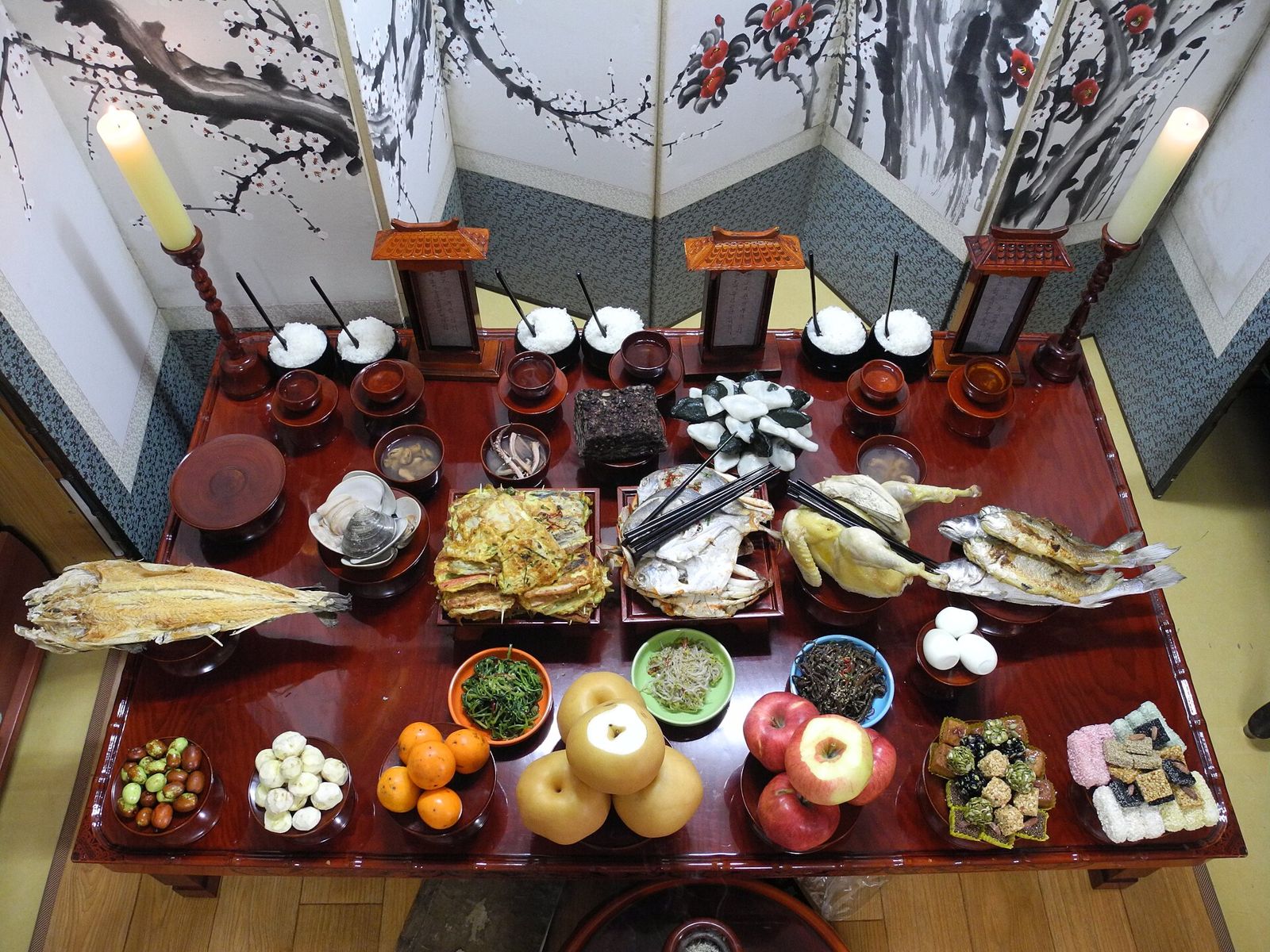
Namwon030 / CC BY-SA 3.0 (Wikimedia Commons)
In English, you speak to your best friend and your boss with mostly the same grammar. In Korean, you don't. Every sentence carries a choice between 존댓말 (jondaenmal) – polite speech – and 반말 (banmal) – casual speech. Getting it right shows respect; getting it wrong can sound cold or rude. Here's how to choose, and how to switch when the time comes.
What's the difference?
The clearest difference is at the end of the sentence. Compare three ways of saying "I'm going to eat":
- 먹을 거예요. (Meogeul geoyeyo.) – polite (존댓말, -요 style)
- 먹을 겁니다. (Meogeul geomnida.) – formal polite (-습니다 style)
- 먹을 거야. (Meogeul geoya.) – casual (반말)
In most cases, you make 반말 simply by dropping the final 요: 고마워요 → 고마워 (gomawo) – thanks, 괜찮아요 → 괜찮아 (gwaenchana) – it's okay. But a few words change completely:
| 존댓말 | 반말 | Meaning |
|---|---|---|
| 네 (ne) | 응 (eung) / 어 (eo) | yes |
| 아니요 (aniyo) | 아니 (ani) | no |
| 저 / 제가 (jeo / jega) | 나 / 내가 (na / naega) | I |
| 학생이에요 (haksaengieyo) | 학생이야 (haksaengiya) | (I) am a student |
| 친구예요 (chinguyeyo) | 친구야 (chinguya) | (it) is a friend |
| 안녕하세요 (annyeonghaseyo) | 안녕 (annyeong) | hello |
Notice that -이에요/예요 (is/am) becomes -이야/야 in 반말.
When to use 존댓말
Use polite speech by default with:
- people you've just met, whatever their age
- anyone older than you, unless they've told you otherwise
- colleagues, teachers and customers
- shop and restaurant staff (and they'll use it with you)
For formal situations such as presentations, job interviews or speaking to a large group, the even more formal -습니다 style is common: 감사합니다 (gamsahamnida), 반갑습니다 (bangapseumnida) – nice to meet you.
When to use 반말
Casual speech is for people you're close to:
- friends of the same age
- younger siblings and children
- your partner
- younger people who have agreed to it
Koreans are very aware of age because it affects speech. That's why people sometimes ask 몇 년생이에요? (Myeot nyeonsaengieyo?) – "What year were you born?" – soon after meeting. If you turn out to be the same age, 동갑 (donggap), switching to 반말 often comes quickly.
How to switch
Here's the important part: don't just start using 반말. Switching is usually agreed out loud, and it's normally the older or more senior person who suggests it. Common ways to propose it:
- 말 놓을까요? (Mal noeulkkayo?) – Shall we speak casually? (literally "Shall we put down our speech?")
- 말 편하게 하세요. (Mal pyeonhage haseyo.) – Feel free to talk casually (to me). Said by an older person to a younger one.
- 우리 말 놓자. (Uri mal nocha.) – Let's drop the formalities. Already casual, so used when you're nearly friends.
If you're younger and want to ask:
- 말 편하게 해도 돼요? (Mal pyeonhage haedo dwaeyo?) – Is it okay if I speak casually?
Even after an older friend says 편하게 해 (pyeonhage hae) – "be comfortable" – some younger Koreans keep a mix, such as calling them 언니 (eonni) or 형 (hyeong) while speaking casually. That's normal.
Common traps
Avoid 너 with people you don't know well. 너 (neo) means "you" in 반말, but Korean generally avoids "you" altogether. With acquaintances, use their name plus 씨 (ssi), like 민지 씨 (Minji ssi), or a title such as 선생님 (seonsaengnim) – teacher.
Don't use 반말 with service staff. Speaking casually to a waiter or taxi driver you don't know sounds rude, even if they're younger than you.
Politeness isn't only 요. To show extra respect to someone older, Koreans add -시- to verbs: 가세요 (gaseyo) – you go (respectful), 드세요 (deuseyo) – please eat. You can use these even after switching to 반말 with peers, when talking about elders.
Switching back can hurt. If a friend suddenly goes back to 존댓말 with you, it can signal distance or anger. In dramas, a cold 알겠어요 (algesseoyo) – "I understand" – from someone who usually speaks casually is a clear sign something is wrong.
Korean you can use
| Korean | Romanization | Meaning |
|---|---|---|
| 말 놓을까요? | mal noeulkkayo? | Shall we speak casually? |
| 말 편하게 하세요 | mal pyeonhage haseyo | Feel free to speak casually |
| 말 편하게 해도 돼요? | mal pyeonhage haedo dwaeyo? | May I speak casually? |
| 몇 년생이에요? | myeot nyeonsaengieyo? | What year were you born? |
| 동갑 | donggap | the same age |
| 응 / 아니 | eung / ani | yes / no (casual) |
When in doubt, stay polite. Nobody minds being spoken to with 존댓말, and when someone is ready to get closer, they'll let you know.
 TurnOnTheNight / CC BY-SA 4.0 (Wikimedia Commons)
 Basile Morin / CC BY-SA 4.0 (Wikimedia Commons)
 heecheol890102 (Pixabay) / CC0 (Wikimedia Commons)